Search

findingphilblog

In search of my grandfather's past … and maybe a book deal

Category

Discoveries

In which I hit the information motherlode

SorboAll I can say is I freakin’ LOVE you, Ancestry!!

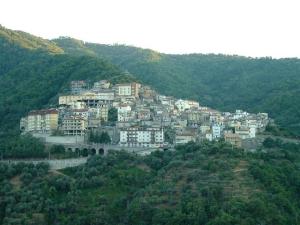
In the intervening months, I also circled in on the exact town where we are from. Sorbo San Basile. I cracked up when I found out they had their own website. There were pictures of people at local festivals and daggoneit if every single person didn’t look somewhat like me and my dad. Here’s the site.

It’s a speck on the map, really. So, if Catanzaro Province is like Pennsylvania and Catanzaro the city is like Harrisburg, then Sorbo San Basile is like Newburg. Someone from Newburg isn’t truly from Harrisburg. And when you start talking researching records, you’ve got to be specific.

Ancestry has message boards where you can post questions to see if you can connect. Well, I figure I might as well get on the Italy boards and see what’s what. There’s actually a forum for people searching Catanzaro, so I post there with Francesco and Saverina’s information.

I wait awhile and get a few responses. Then one guy tells me I need to check out a woman by the name of Dina. She’s apparently the person I want to connect with.

When we finally do connect, she combs through her extensive catalog of research and comes up with gold. This is our town, all right, and we go back a long way.

The name Venezia is not a “real” last name, per se. Italians would give orphaned babies the last name Esposito (meaning exposed. aw.) or the name of a large city in Italy. Based on the records in her tree, Francesco’s father Filippo Aristodemo Esposito Venezia (that’s a mouthful), was an orphan.

And get this. In the old days, churches in Italy had these things called “ruta.” They were little wheels that were in the exterior walls. There was a basket on the wheel. You can probably see where this is going. People put babies in the basket, turned the wheel so the baby was inside, rang a bell and ran. The nuns and priests took in the child.

It’s crazy how history repeats itself. Filippo was an orphan. Phil, who was likely named for his grandfather in the traditional Italian way, was an orphan. I realize that if my dad lives to see his grandchildren, he will be the first Venezia man in more than 100 years to do so. But, you know, no pressure. 🙂

That’s Francesco’s father. But it turns out Filippo Aristodemo married pretty well. Maria Giuseppa Gagliardi was from Sorbo’s upper class.  The men in her family, Dina said, would have had the honorific Don Gagliardi, meaning landowner. OK, so it’s no castle in Italy, but it’s still pretty cool.

In hooking my tree up to Dina’s, I’ve discovered lines that go all the way back to the 1500s. I’ll probably never know exactly what we were before Venezia, but I’m still pretty proud to claim them. Dina’s not found much of anything on Severina, so there’s still that angle to pursue.

In the meantime, I’m savoring the thrill of truly, finally finding home for my dad and our family.
What we learned at the inquest

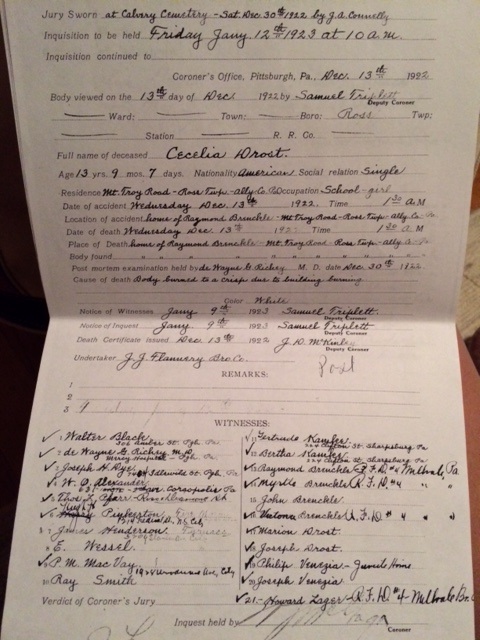
CeciliaPressReportThe Coroner’s Inquest has arrived and it left me feeling a little empty. There was some good stuff, for sure, but what was missing was the transcript. Surely, somewhere in the bowels of the Allegheny County archives, there must the record of what was said during the hearing over whether the fire was intentionally set.

Don’t get me wrong, I’m really happy to have it. It’s part of my general research on the case itself and it fills in a few details.

** WARNING: GRUESOME DISCUSSION AHEAD.**

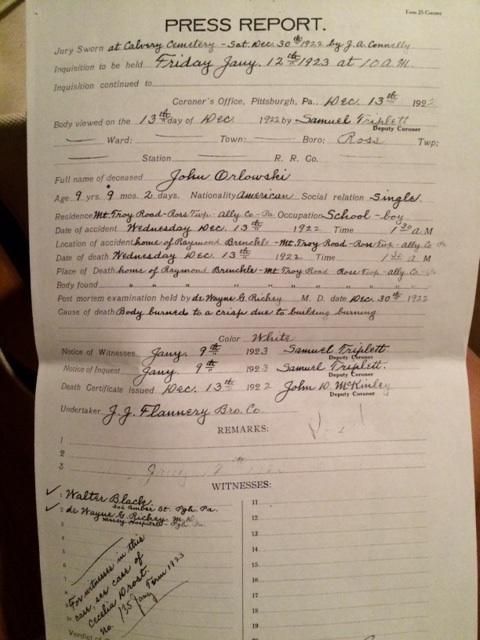
So, anyway, the details of the kids’ deaths are pretty horrible. And the autopsy records are the stuff of nightmares.They were incinerated virtually beyond recognition. All that was left of poor Cecilia was the middle of her body. Poor little John was a head, upper torso and part of a femur. What’s interesting, and frankly odd, is that the coroner DUG UP THE BODIES to autopsy them. Uh, wait. What? Doesn’t a coroner hold a body and then release it for burial after a cause of death is decided? The bodies were buried shortly after Dec. 13th. The autopsy was conducted on the 30th. Both autopsy reports note the putrid odor of the remains.

I missed that little, about the hasty burial, when I read that article about the funeral services. I’d presumed the autopsy had been performed before the burial.

JohnOrlowskiPressReportAll that was left of both children was bones wrapped in a tarp. My heart broke for them. And for their parents. Yes, parents. In re-reading that funeral article, I also saw that the Drost kids father was still alive, as was John Orlowski’s father. Both are mentioned as having either attended the service or were being sought for contact. Phil and Joe were the only “true” orphans in this equation.

It was interesting to see that the Coroner’s office provided a Press Report, which contained the verdict, all the witnesses and general information about the deceased.

There was also a Proof of Identity document for Cecilia and John. Each contains critical information, such as when they were remanded to care and when they came to live at the Brenckles. I note that Camilla Barr, whose name appears in conjunction with Mary Venezia’s petition to have South Side Trust named as guardian of the money Pasquale left her, was the person in charge of Cecilia.

The cause of death, obviously, was incineration. Nothing further could be determined by the remains, including the sex of each body, according to the doctor who performed the autopsy — DeWayne Ritchey of Mercy Hospital. That fact was probably what made it hard for the jury to indict Howard Lager.

** OK TO RESUME READING IF YOU SKIPPED THE LAST PART **

Another interesting find was that Walter Black was indeed the person who oversaw the cases of all the children at the Brenckles. So, he was Phil and Joe’s caseworker. Interesting that the head of the department was the person overseeing them.

The documents also show that John had come to the farm roughly the same time as the Drosts. All things being equal, I’m going to go ahead and just figure Phil and Joe did as well. It looks as if the Brenckles were purposefully taking in sibling groups. Some people may quibble with me on this, but I think it’s at least a little kind-hearted. It’s pretty meaningful for kids who face the kinds of trauma all of them faced to have their siblings.

But what I really need is that transcript! If I’m going to really find the truth, I’m going to have to know exactly what was said by whom and when. I think my next stop is probably the State Archives.

Francesco Venezia, citizen

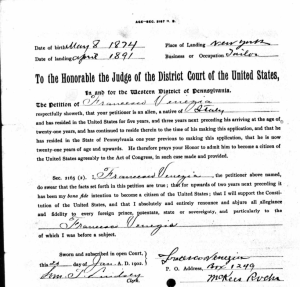
FrancescoCitizenshipCaptureOK. This is super-cool.

Turns out Francesco actually undertook the Naturalization process and became a citizen.That ship manifest marking page told me that the stamp I’d seen all those years ago over his name “US Citizen Discharge on Pier” was meant for US citizens returning from abroad.

Now, I know that two years before he got married, Francesco gave up on old Victor Emanuel of Italy in favor of Teddy Roosevelt. Well, who wouldn’t right?

Ancestry has an awesome set of Naturalization records and it was there that I found Francesco. In addition, I now know that he came to the US through Ellis Island in April 1891.

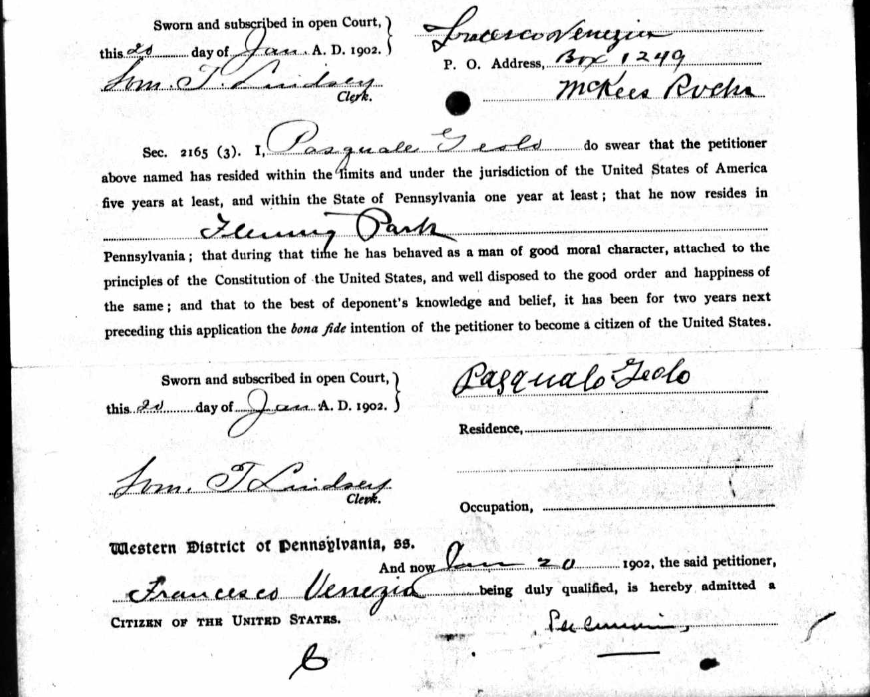
CitizenshipCapture3The document shows that a buddy of his vouched for his character and honor. Even more interesting, it shows both of them lived in Fleming Park. Ring a bell? Yup. Pittock.

In marrying Francesco, Saverina would have gotten a “citizen discharge” on the pier, too.

There’s a lot of affirmation and a little bit of new material here. Mostly, though, it just shows me that Francesco was probably a pretty stand-up guy.

Collecting evidence

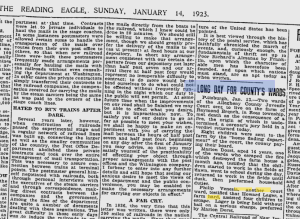
The more deeplyReadingEagleCapture I go into this story, the more I see how important it was. This clip is from the Reading Eagle, a newspaper that publishes in the suburbs between Harrisburg and Philadelphia. News of the fire made it all the way out here.
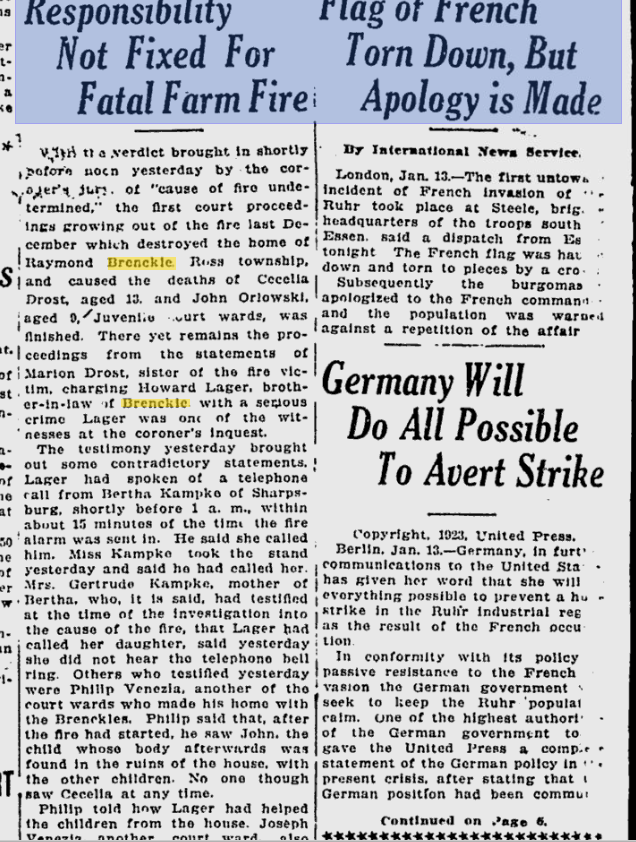
I’ve spent hours on the Google news archive.

The fire took place Dec. 13, 1922 in Mount Troy, Reserve Township.

Pittsburgh Press Dec. 14, 1922 edition: John and Cecilia’s burial. And here another revelation. There were more Drosts. Marion Drost, 16, Frank, 11, Joseph, 10, and Thomas, 7. There was a Coroner’s Inquest, which must mean there’s a record somewhere. I’ll give them a call on Monday and see how to access them.

Pittsburgh Press Dec. 16, 1922 edition: The headline says it all “Sordid Sensation Born of Tragedy at Brenckle Home.” Oh man. It looks like they’re starting to make the case to arrest Howard Lager on suspicion of starting the fire and on the accusations made by Marion Drost, Cecilia’s older sister.

We also meet a new cast of Allegheny County characters:

W.J. McGregor, the county coroner.

Samuel Triplett, the deputy county coroner.

County Detectives Joseph Dye, W.O. Alexander, Harry Barker and T.A. Sidenstricker.

Chief Probation Officer Walter Black. It looks like Walter had charge over the Drosts. What’s sad is that Marion and the rest of the kids (I presume Phil and Joe are among them) are sent to “the detention rooms.” Sounds ominous. And completely unfair. You’re essentially locking up the victim of a potential crime and all the witnesses. I’m enraged on their behalf.

Thomas Pfarr, the county fire marshal. The article quotes him as saying he believed the fire was set using gas.

Pittsburgh Press Dec. 17, 1922. It just keeps getting worse. Howard’s been arrested, and it looks like he has all but admitted to “relations” (shudder) with Marion. But he adamantly denies setting the house on fire. Marion’s apparently told the court that he’d abused her since she came to the farm three years ago. So, about 1919-1920. Hmmm. Makes me wonder if Phil and Joe were also there that long.

The next few days are silent on the case and it dawns on me that if Phil and Joe did indeed go to the detention rooms, they very likely spent Christmas there. My heart breaks for them all over again. How much more are these poor boys going to go through?

Shocked

FrontPagePPressCaptureI’m still shaking.

I’m shocked. I’m stunned. And I am also now completely obsessed.

One of the last searches I did before bed the other night brought up a strand of information I’d never seen before. I found it using a variation of Phil’s name.

There was a fire. Remember how I’d said the old Brenckle farmhouse burned down? Well, let me tell you, there’s a whole lot more to it than that.

Because it seems during the same year Ottavio was seeking the trust for the siblings, Phil and his brother were embroiled in a scandalous, front-page saga  as Allegheny County investigated the cause of Brenckle farm fire.

Two children, apparently other wards of Allegheny County, died in the blaze. Grandpa and Joe had to take the stand and testify about what happened that night.

“Others who testified yesterday were Philip Venezia [hooray to the reporter who got his name spelled right], another ward of the court wards who made his home with the Brenckles. Philip said that after the fire had started, he saw John, the child whose body afterwards was found in the ruins of the house, with the other children. No one though saw Cecilia at any time.

Philip told how Lager had helped the children from the house. Joseph Venezia, another court ward, also living with the Brenckles, gave about the same testimony as his brother Philip about seeing John after the fire started. The supposition is that John went back into the burning house and could not get out. Lager is being held without bail.”

Cecilia is Cecilia Drost, 13, and John is John Orlowski, 9. Both of them were wards of Allegheny County, just as Phil and Joe were. Lager is Howard Lager, Myrtle’s brother, who apparently lived at the farm, too. From what I gather from other articles, it seems that Howard was suspected of not only starting the fire, but of starting it to cover up the fact he was sexually abusing Cecilia.

Their death was enough to raise serious questions about how the Juvenile Court was overseeing its wards (terminology at the time for foster children). So much so that the Press wrote a strongly-worded editorial condemning them and the practice of “farming out.”

The whole thing leaves me feeling sick. Sick, too, because more than 80 years later, nothing’s changed. Kids still die and get abused by the people the state says should take care of them.

I’ve been on the phone with my parents on and off all day as I uncover a new article. My dad is as shocked as I am.

“Never,” he said. “I never, ever heard about this. Neither did Mary Ann. I called her to ask. This is incredible.”

It seems, from what I found so far, no charges were leveled in the blaze. I haven’t found anything on whether Howard Lager was convicted of sexual assault or similar charges.

Even with the news articles, there are so many unanswered questions. Looks like I have a new mystery.

Answers

The long-awaited family reunion was a huge success.

Last weekend, my parents, Mary Ann and her husband Mike, Kristin, Bryce, me, Philip and Jason all made our way out to Hadley, PA, where Arnetta lives. Arnetta is the daughter of Anna Mae Brenckle, Raymond and Myrtle’s daughter.

It was funny for me because I looked at the Brenckles, who weren’t really all that different looking than all the rest of us (lots of dark hair, brown eyes, hearty appetites). But you could also see how the branch that belonged to “the Italian boys” (that’s how so many people remembered them, as “the Italian boys”)  was so different.

I met (or re-met) Brenckles of all ages. That was great, because I had several direct connections to people with clear memories of my grandfather — including Arnetta’s older sister.

As I sat with the two of them, another memory of the type of person my grandfather was floated up.

“I remember one time hearing a story from my mother,” Arnetta said. “From right after your grandparents got married. Your Grammy, bless her heart, she was so wonderful. But she didn’t know anything about running a house. Oh, none of us do when we get married. But she served dinner to your grandfather. And he said to her ‘Helen, look in my ear.’ All concerned, she starts looking in Phil’s ear and asking what’s the matter. ‘Do you see a noodle in there?’ he asks totally straight-faced. ‘No, Phil. I don’t.’ she says, totally serious. ‘Well, look again, because that’s the fourth time we’ve had chicken soup this week and I think the noodles are starting to come out of my ears.'”

I can feel the grin split my face. It’s nothing, really. No grand historic import to this story. But it’s an absolute lock on what kind of person my Grandpa Phil was. This was a man who grew up in an era, and possibly around people, who’d have knocked the pot out of Grammy’s hands and no one — not even her — would have thought it was wrong. But not only did he not treat her like that, his gentle humor made her not feel bad about herself. I wanted to hug him so bad. Heck. I wanted to hug Grammy again and laugh with her over the sweet memory she’d never seemed to find all those times I’d asked.

“Do you want me to bring down some pictures?” Arnetta asked.

I practically raced to the attic myself. The box held a bunch of loose photos and old frames. There were a lot of pictures we’d already had. The dapper picture of Grandpa in his 20s, straw boater in hand, dressed in a sharp gray suit. It’s a strange feeling, seeing “your” family picture in someone else’s house. But, obviously, they were family, too.

There were many others I hadn’t seen. Myrtle sitting on an upturned vegetable box at the stand on Smallman Street. Grandpa and Joe in coveralls, standing in front of a greenhouse they’d built. Promotional photos of the Brenckle farm trucks.

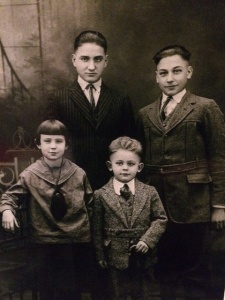
And onBrencklese picture that twisted my heart when I saw it. Phil and Joe in obviously-new suits, standing next to 8-year-old Anna Mae and 4-year-old Buddy, the Brenckles’ biological son.
“It must have been taken right after the adoption was finalized,” Arnetta said. Sure enough, another photo, of all the kids in the same clothes, standing in front of a large, black car on the Brenckle farm, seemed to verify it.

There were pictures of the old Brenckle farmhouse and the new. The old one burned down, but they rebuilt. One of the guys I met tonight lives there now.

“You know, guys, there’s one thing I’ve always wanted to know. Why?” I asked. “Why them?”

Arnetta and her sister explained that the Brenckles took in a lot of kids for farm work. They took in a lot of adults, too. It’s likely that their being as young, but as old, as they were at the time they came to the farm made them perfect candidates to watch Anna Mae and Buddy.

“Oh,” I said. It sounded like a work arrangement.

“But there was something about your grandfather and his brother,” Arnetta said. “They were special. They had good senses of humor. They were hard workers.”

BeforePic“They were helpful and handy?” I said.

Remember, Ray and Myrtle adopted them, they said. They didn’t have to. They could have just let them live on the farm, because there were a few other kids and older guys that did. They made them family, and that had to mean something.

It wasn’t the grand, movie-ending I’d hoped for. “You’re the missing piece of our family” and all that. Emotions, I suppose, weren’t the same in 1922 as they are now.

And I learned one more thing. Mary was always welcome. She was never adopted, but she was still a large part of the family. It seems cruel, but for a working farm, her disability would have been difficult; and again, feelings about those types of things were very different from today. Raymond, in fact, used to drive over to the Fresh Air Home, pick Mary up and bring her for the weekend. She’d sit in the kitchen and snap green beans or dry dishes. And after all the work was done, the three siblings could spend time together.

That, I imagine, had to mean everything.

Proof of Life, and Death

After the cemetery visit, my research slowed down a little. I got busy at work and was exhausted when I came home.

But about a month ago, I tried one more angle. Now that I had the death dates for both of my great-grandparents, I could write to the Pennsylvania Division of Vital Records for death certificates.

The forms were pretty easy to find. You can download them online and send them off. It takes a few weeks and only costs $9 per certificate. I think it’s hilarious the title of the PDF is Death_By_Mail. Someone in the department has a sense of humor.

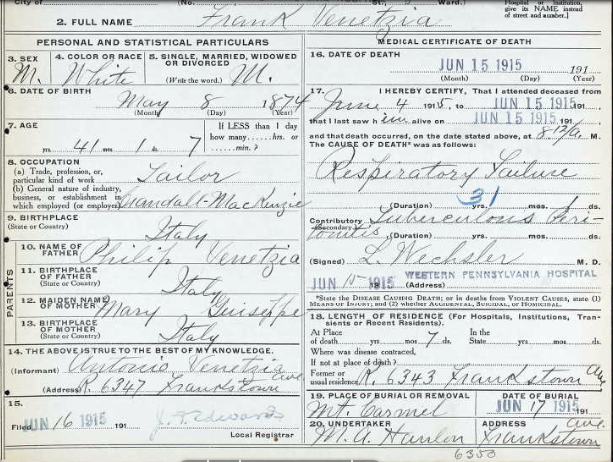
Francescodeath Francesco’s arrived first and brought its own revelations. He’d died of tuberculosis. And at the time of his death, the family had obviously moved from St. Andrews Street (from the 1910 Census) to a new location — 6343 R (rear?) Frankstown Avenue.

He’d worked as a tailor for a company called Crandall-MacKenzie. That was new, and interesting.

He’d suffered for three years with this? Oh man. And he’d died at Western Pennsylvania Hospital of respiratory failure and tuberculous peritonitis, which he’d had for a week. It sounds dreadful.

But hold up a minute! I see a passel of new names. Francesco’s father! His name was Philip Venezia! His mother was Maria Guiseppe! My great-great-grandparents. Oh yeah!

And oh my lord. Antonio Venezia. Address 6347 R Frankstown Avenue. A brother? Francesco had a brother? What’s more a brother who apparently lived like two doors down.

Suddenly, it felt as if the entire picture of my family had shifted again. At least one more sibling, carrying the name Venezia. Could that mean that there were cousins. Legit, blood Venezia cousins somewhere in America? Did they look like me? Like my dad?

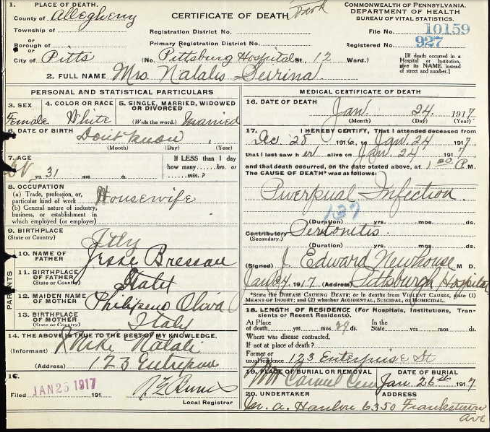
SeverinaDeathSaverina’s was waiting when I got home last night. And ho-boy, does it get interesting.

First, her name is backwards — last name, then first name, both spelled wrong. Then my eyes race to cause of death. Puerpual Infection and Peritonitis. What’s Puerpual Infection? A quick Google search. “Puerperal (correct spelling) infections, also known as postpartum infections…”

“Jason!” I scream. “She did! She had a baby. Oh my god, there was a baby.”

For a minute, I can’t move. I can’t think of anything other than the fact that there might be a half-sibling of my grandpa out there somewhere. Hell, they could still be alive. That would explain the lack of a body interred with her at Mount Carmel.

After I calm down, I see that the record also holds the names of my other set of great-great-grandparents. It’s impossible to tell because the spelling — like most of this document — is atrocious. It looks like it says Jesse or Jurace Bresau and Philippina Oliva. But I know this is my great-grandmother because the next of kin is Mike Natale, 123 Enterprise Street.

“She suffered for a month,” I groan. My ovaries twinge in sympathy. That must have been a horrific, painful death. And once again, my perception of the road she had to walk after Francesco passed away shifts. Her life, I thought, must have been really, really hard. Because how do you go from three live, healthy births in probably a lot less sophisticated circumstances the decade before to death?

So now I have an explosion of fresh leads to follow. Onward!

Resurgam

One of my favorite books is Charlotte Bronte’s “Jane Eyre.” When her friend Helen dies, she’s buried at Lowood School under a stone that says “Resurgam.” Latin for “I will rise again.”

That word kept running through my head as Jason and I made our way to Mount Carmel Cemetery.

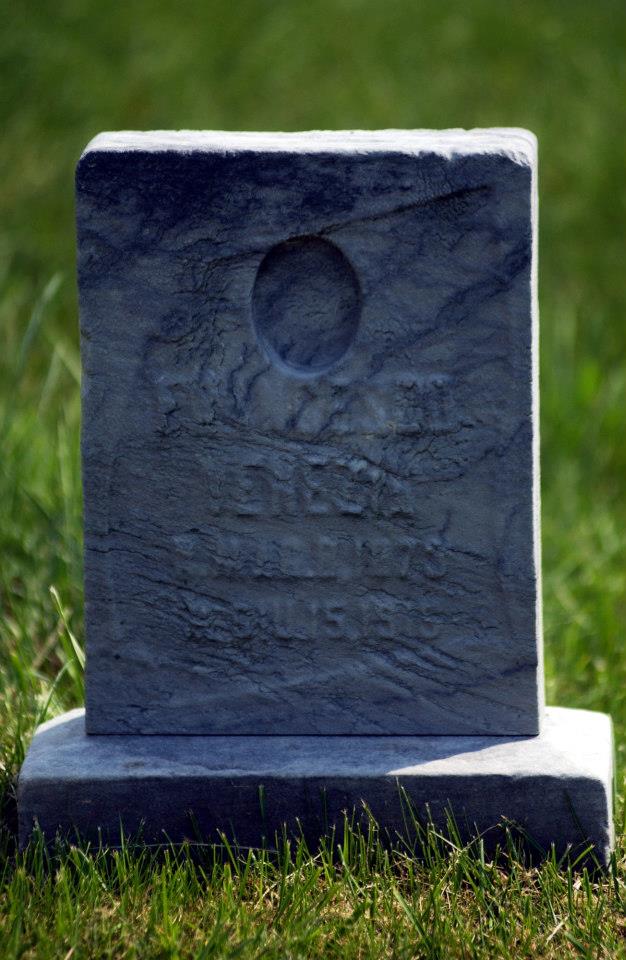
Because, after 90 years, Francesco and Saverina’s memories were rising again. We had to stop at the cemetery office to get directions to the site, which was fairly easy to find. It’s a nice spot, as these kinds of things go. Just below a dip in a hill, near the cemetery’s baby section. I try not to think of all those tiny tombstones with little lambs on them as I walk up to my great-grandparents’ grave.

Francescosgrave There they are. I’m shocked to see that there’s only one stone. My feeling for my great-grandmother again fluctuates. Why did her new husband not see fit to buy her a stone. It makes me sad. Because I see that despite the missing picture (it would fit on that little notch), Francesco’s name, date of birth and date of death have withstood the test of time. The grass is neatly tended around the monument to his existence. Were it not for the little record card in the cemetery office, I might never know Saverina was right there next to him.

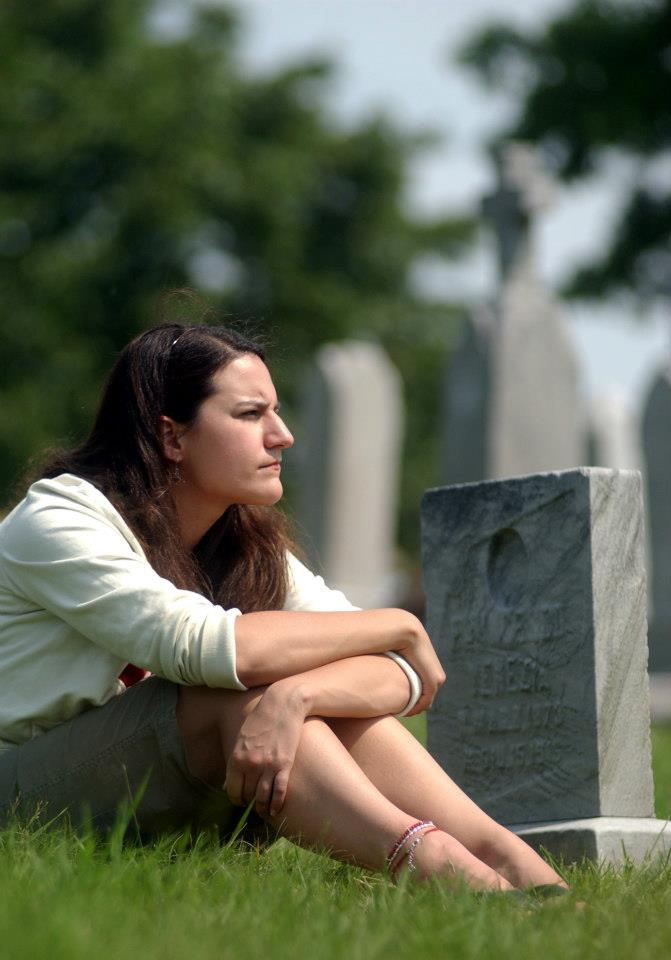
I sit down on the grass and try to feel whatever connection might still exist between myself and the bodies below. The weight of history somehow feels incredibly present. I think of my Grandpa. Did he ever come out here? If he kept his concertina-playing skills a secret, maybe he had a few clandestine visits to his parents. Or, maybe like a lot of men in his day, he just didn’t look back.

LaraBrenckle1 It’s a sunny day, and not too far removed, I realize, from the 91st anniversary of his death. I think about how there was no way Francesco could have imagined his little boy would have a little boy of his own, and a daughter as well. That they would go on to each have a boy and girl of their own. Two writers, a banker and a pharmacist, all living in Pittsburgh together.

Whatever Francesco and Saverina’s American dream had become, my dad and aunt, me, my brother Philip and my cousins Kristin and Bryce were proof that at least some of it had come true.

FirstVisit

Photo credit for these awesome pictures to my fabulous boyfriend, Jason Malmont.

Lost and found

MapCaptureNot long after I started this search, one thing had always bothered me.

Francesco and Saverina had died a long time ago. They were buried somewhere. But where?

Today, I have my answer. Mount Carmel Cemetery in Verona.

My search began, as it almost always does these days, by Googling in between phone calls and deadlines. “Cemeteries in Allegheny County.” “Catholic Cemeteries in Allegheny County.” They could be anywhere. There were hundreds and hundreds of listings, including abandoned ones.

I decided to start with the biggest. Allegheny County Cemetery. They had big section for poor people. Maybe they’d ended up there. I called the office and the kind person on the phone offered to check for me. No luck. But he did give me some great advice.

“Were they Catholic?”

Yes, I replied. They went to Our Lady Help of Christians.

“There’s a few cemeteries associated with that church, but try Mount Carmel first.” Then he gave me the phone number.

When I called, I went through my spiel. I was looking for my great-grandparents. I didn’t know when exactly they died, but I had a month and year for my great-grandfather. Would they help?

The man told me to hold the phone and he’d be back.

“Yes, ma’am,” he said. “They’re here. Francesco Venezia, you said? He died June 15, 1915. And his wife, Sev-a-rina? She’s January 24, 1917.”

My heart is pounding. Almost 90 years’ mystery and it’s solved in half an hour.

“For real?! Oh my gosh, thank you! We’ll be out to visit this weekend!”

But I had one more question before we hung up. Was there a baby buried with her?

No, the man said. Nothing on the record indicates there was. So, another dead end with this potential half-sibling.

Maybe it’s inappropriate to be excited about visiting a cemetery, but I am. I practically ran out of the newsroom to call my parents.

“I found them! I found them! I found them!” I yelled when my dad picked up the phone.

“Who?”

“Your grandparents! Francesco and Saverina! They’re in Mount Carmel Cemetery over in Verona.”

“Really?” my dad said. “That’s incredible. I never remember my dad mentioning it.”

“I’m going to go this weekend! Jason will take pictures and I’ll send them to you. Maybe we can all visit the next time you guys come out.”

“Oh, and dad,” I said. “I kind of told the paper that I’d write a story about my research project. Is that OK?”

He said it was. Said the Brenckle relatives still living in Pittsburgh might get a kick out of it.

“In fact, here,  talk to your mother. There’s something coming up this summer.”

When I talked to my mom, it turned out that the Brenckles had invited all of us up to Arnetta Brenckle Andrews’ house this August for a family reunion. It’s the first time in quite sometime that they’d asked this branch of the family to come.

Oh, what a tale I’ll be able to tell.

Blog at WordPress.com.

Up ↑