Search

findingphilblog

In search of my grandfather's past … and maybe a book deal

Tag

Joseph Venezia

The Things She Carried

My Mom handed me a small, brown wallet, clasp tantalizingly closed as if its owner had just placed it on the nightstand.

“I figured you’d want this,” she said, “It was Aunt Mary Vee’s.”

Mary “Vee,” my great-aunt, Mary Venezia, was the last link to Grandpa Phil, Great-Uncle Joe, and their parents. As the oldest child, she had the clearest memories of nearly all their shared tragedies. By the time she died at 73, she’d outlived her parents and siblings despite a congenital hip defect and tuberculosis that settled in her bones with spine-twisting brutality.

I say nearly because, in 1920, Mary’s destiny diverged from her brothers’. When they were pulled, sick and starving, from Pasquale’s hovel in Pittock, Phil and Joe went into Allegheny County’s rudimentary foster care system while Mary was sent to the Sewickley Fresh Air Home. A cross between Shriner’s Hospital and St. Jude’s, it provided care to children 14 and younger, mostly with polio, tuberculosis, and orthopedic complications. Someone — possibly Mary’s caseworker Camilla Barr — was looking out for her and negotiated 15-year-old Mary a place there, paid for by the county.

Despite having her family and heritage severed repeatedly, Mary saved pieces of her fragmented past with tender, orderly ferocity. She preserved the only photograph of Francesco and Severina, Francesco’s memento mori pin, and her baby picture.

With an archivist’s practiced eye, I unclipped the wallet’s slim band.

My Dad’s face, forty years younger, stared back from a pair of newspaper clippings announcing promotions at Pittsburgh National Bank, followed by two of Dad’s business cards with elegant, Palmer-script notations indicating he was her emergency contact.
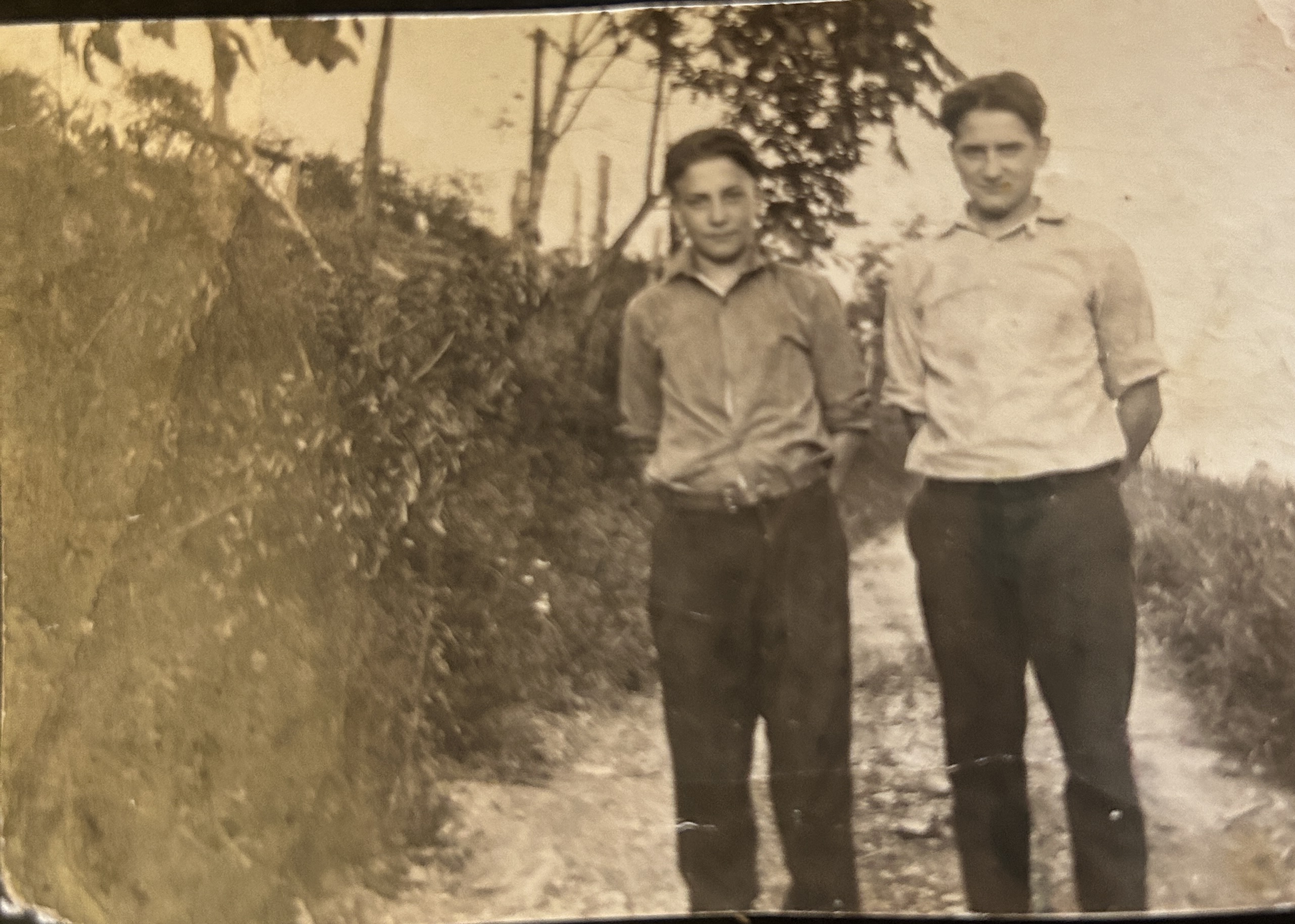
Next, to my surprise, was a photo of Joe and Phil. Taken the same day as another photo in my collection, I recognize the Brenckle farm lane in the background and conclude it was most likely after they’d returned from Bellaire. Their smiles are tighter, eyes shifting slightly left as if still on guard for danger. In faded pencil, Mary’d written on its back, “Phil and Joe in working clothes.”

Next came high school graduation photos of my Aunt Mary Ann and Joe’s children, Myrtle and Wayne; my cousin, Bryce, her first great-grand-nephew, at four months old.
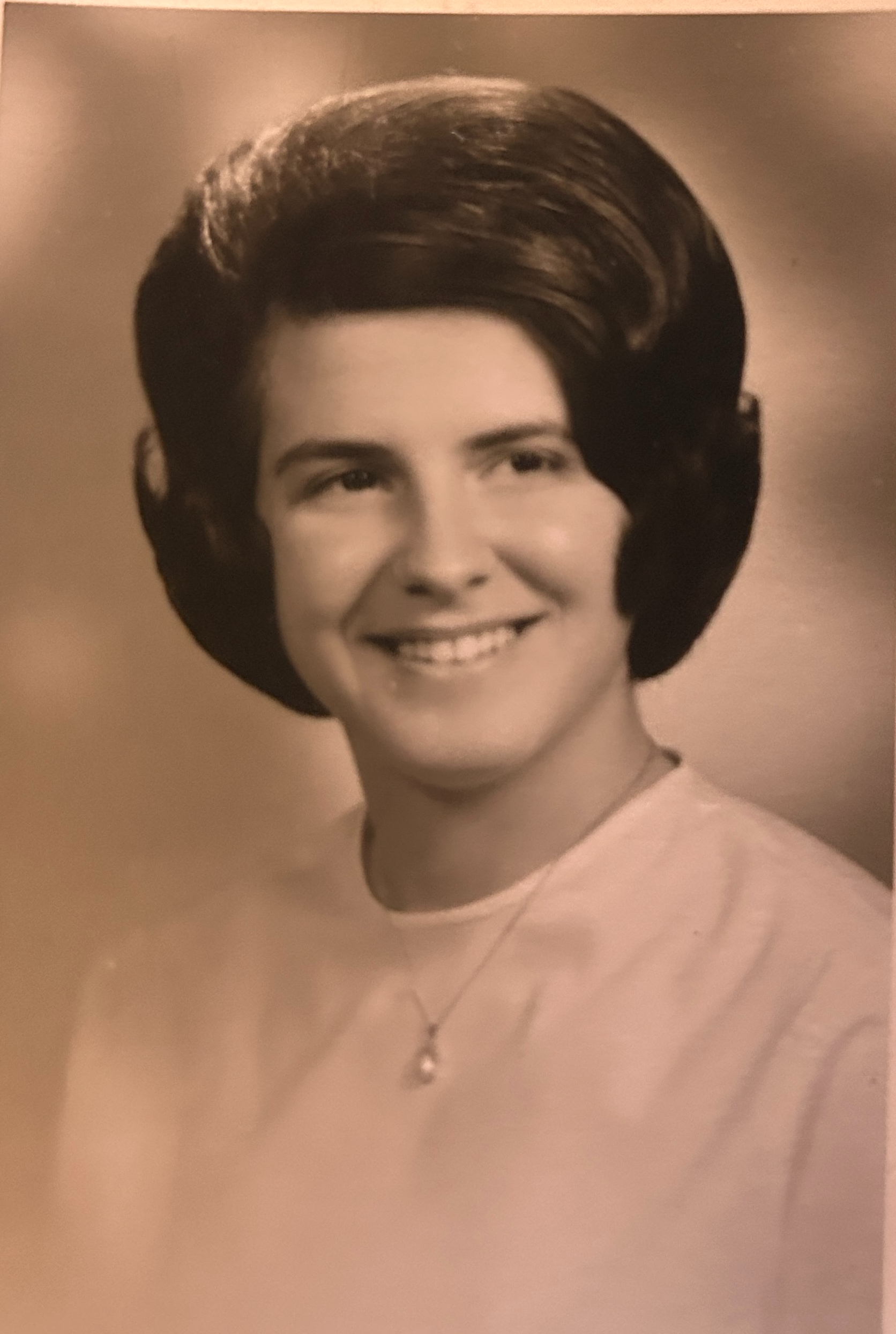
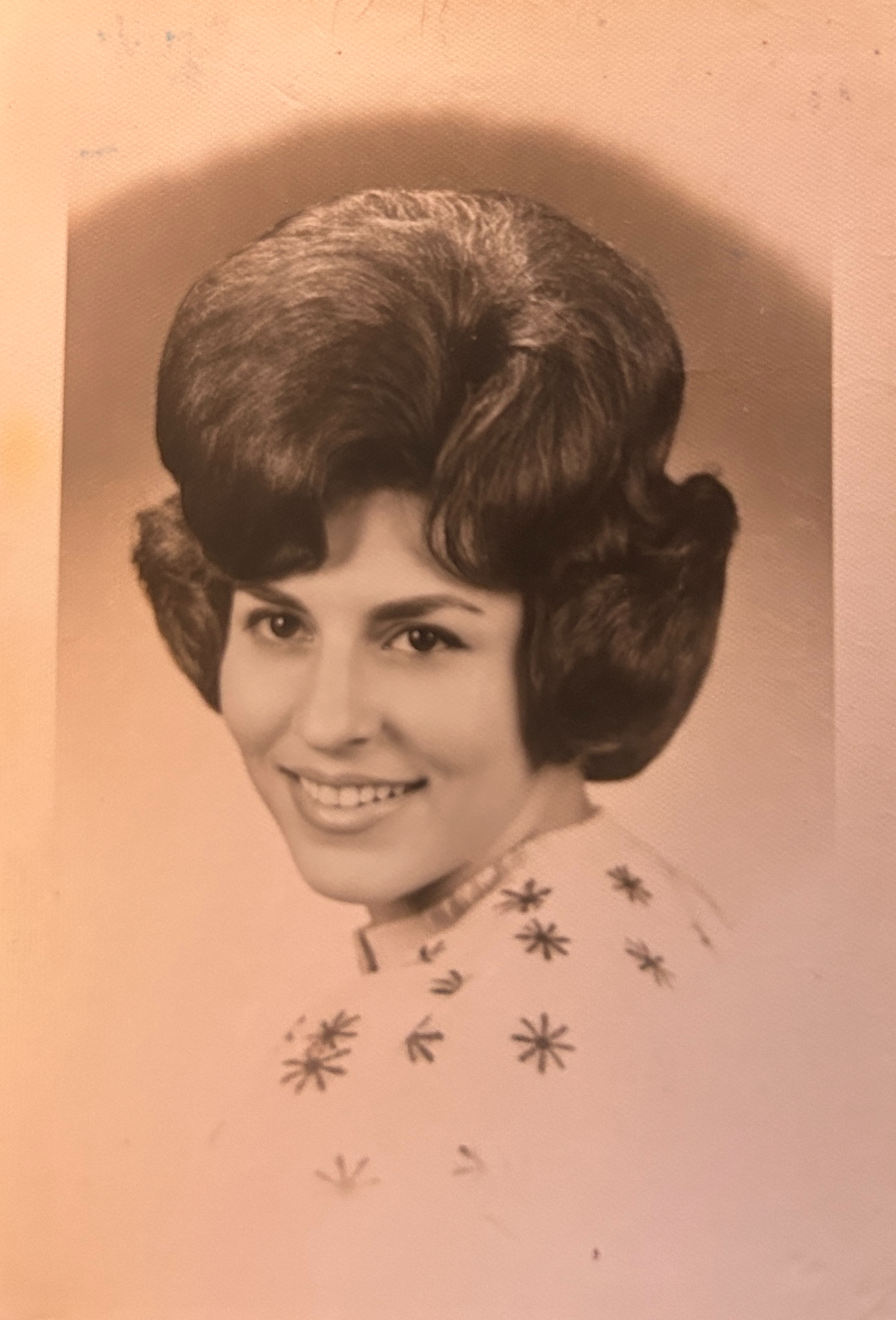
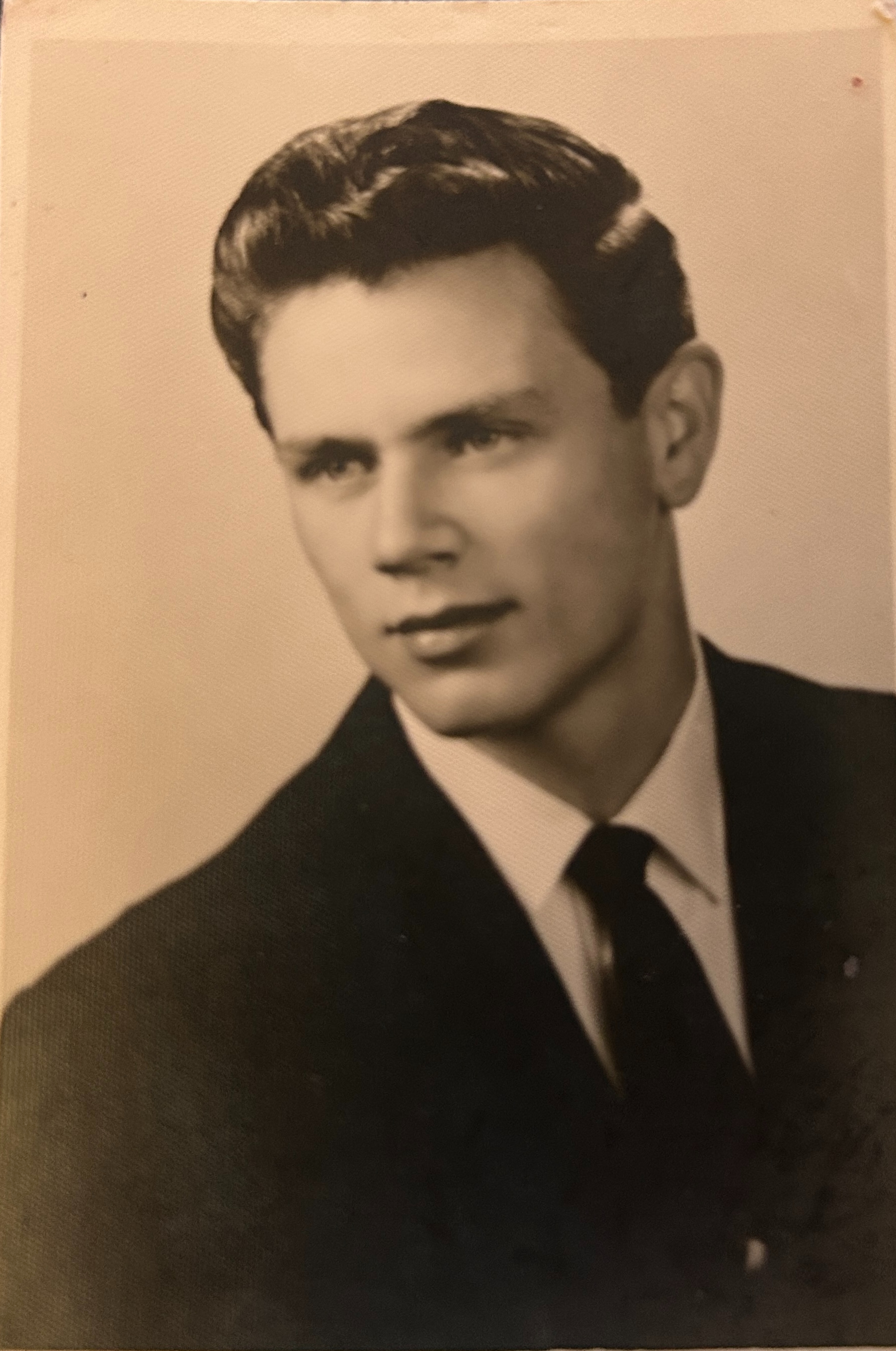
Then, her social security (issued in 1970), health care (Blue Cross of Western PA), and voter registration (Republican) cards.

Finally, a small collection of strangers’ babies, graduation, and wedding photos. Every image, however, was marked with names, dates, and short descriptions. It was a reminder that Mary was not only a vital part of our family’s history but a sweet memory in so many others.

The 1951 Pittsburgh Press article about the Fresh Air Home noted that after healing, she’d remained there as a kindergarten teacher and was known to sit up nights holding the hands of new arrivals who missed their families.

Those little boys and girls remembered dear Miss Mary and wrote to her by the dozens over decades. At one point, we had a large bag filled with hundreds of black and white photos, clippings, and notes former Fresh Air residents sent. Babies, graduations, enlistments, and homecomings were all shared with the woman who’d been the friend they needed. I’d uncovered it in my parents’ closet at about age 10 and sifted through it endlessly. Several boys healed enough to be drafted into World War II. One sent photos from Eagle’s Nest, Berchesgarten, and several locations mentioned in Band of Brothers.

There were also photos of Mary and her Fresh Air friends having fun. After all, she was a young woman and emerged from three years of body casts with humor and an effervescent spirit. One letter preserved in the Bellaire stash included a note from Mary to Phil mentioning playing tricks on her doctor by stuffing newspaper in his shoes. Within the Fresh Air Home’s sprawling grounds, she strummed a ukelele, hosted little girls’ tea parties, and reenacted scenes from plays. Tragically, this cache fell victim to a basement flood and couldn’t be preserved, much like the Fresh Air Home itself.

Medicine and society moved from institutionalization to community care. The home shuttered in 1952, and Fresh Air’s wealthy benefactors gave Mary one final gift — a room at Friendship House, a genteel retirement home for upper-class ladies. However, her stay was contingent upon remaining mobile and self-reliant.

And for decades, she was. Until, one day, she wasn’t. The stately Sewickley Victorian, with her room on the top floor, was no place for a woman with severe spinal degeneration. A doctor convinced her surgery would save her mobility. Dad tried to talk her out of it, hearing chicanery’s quack a mile away. However, Mary, who’d fought valiantly for independence, decided to go down swinging. Complications predictably, fatally arrived.

Before she left this world, Mary learned my Mom was pregnant with me. She was overjoyed to know her favorite nephew, who looked so much like his father — the little brother she loved so much — would be a father himself. In a way, her precious, tiny collection of our family’s founding documents paved the way for all the research I conducted years later.

Mary, ever the teacher, also hid a final lesson in her tightly packed wallet. Its collection of family and friends reminds us that opportunities to treat others with kindness, mercy, respect, and love come to us all. Ripples of those choices reach untold generations, bearing memories that become blessings.

I’ve started writing

I think I’ve gone as far as I can with the research, at least for the moment. So, I figure it’s time to take all my notes and do something with all the hours and hours of time I’ve put into this over the last few years.

It’s strange. Sometimes, it feels as if something beyond me is dictating where the story is going. I could say it’s my own creativity, but that almost doesn’t feel right. Sometimes, and maybe I’m crazy, I feel like there’s another hand guiding mine. Some of the ideas I have are too vivid. I might consider a path, but then something back in the back of my mind says “No, it happened this way.”

The greatest thing about all of this is that it truly feels like I am spending time with Grandpa. In a way that transcends looking at pictures or hearing other people tell stories, I feel that, because of all the research I’ve done, I’ve gotten a much more clear picture about who he was, how he grew up, the forces that shaped his world and all the rest than I ever did before.

My goal is to finish by the end of the year so I can send it to my brother-in-law, who is an author. We’ll see how I do.

Questions answered

PhilandJoeonthefarmI just got back from the Brenckle Family Reunion. And oh boy, did I once again hit the motherlode.
So, to answer your question, yes, there’s a significant faction within the family that believes Howard Lager did get away with murder. And there were other concerns, as you can imagine, as well. Particularly with the female members of the family. No one had a definitive answer, though.  A few people thought they heard that Howard had gotten Marion pregnant and that was what the fight on the night of the fire was about.

There was also a rift, apparently, among the Brenckle siblings over the use of these farmed out children. A certain part of the family thought it was unethical and it got pretty heated.

But no one could say anything for certain, and because of that, I’m still wary of pinning criminal labels on anyone — even though you can’t defame the dead.

I shared all the stories I had, and also the research I’d done on the Brenckle family itself. I had copies of Raymond and Myrtle’s marriage license, census records for branches of the Brenckle family and a few odds and ends.

After dinner, we went down to the basement because they had a surprise for me.

“I thought you should have them,” they said as they handed over two envelopes of pictures.

If I was shocked by seeing my grandpa on the front page of the newspaper, these two envelopes shocked me even more.

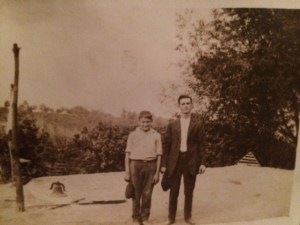
The picture at the top of the page is Phil (right) and Joe (left) the summer after they came to the farm. This is the youngest I have ever seen either boy. Unless I stumble on a trove of baby pictures by a forgotten Venezia relative, it maybe as young as I get.

I look at their faces and I can see that they are happy. It makes my heart soar. They look like they are having a terrific time. After all they’ve been through, they’re in the summer sunshine, together, with clothes and shoes. Grandpa looks a little silly. I’ve seen my brother make that same face when he’s being goofy and someone’s trying to take his picture.

PhilonthefarmThis next one is just Phil with another one of the farmhands. It might even be Howard Lager. I think it kind of looks like him.
These pictures make me think again — if you’ve got dozens of kids passing through your farm just to do work, why take their picture? Why treat them like members of the family if you were just going to cast them out when the season was over? That wasn’t going to be my grandfather’s and great-uncle’s fate, it seems.

Joe's weddingThis next one cracks me up. Joe, even though he was the baby brother, was the first Venezia boy to get married. In 1932, he married Ruth Broglie. Joe, looking almost like a movie star, is on the left. Phil, on the right, was his best man. Awwwww.

I laugh because my dad looks like that in a tux. He stands the same way, with his hand at his side, fingers curled almost the same way. They look so Godfather. I’m not sure who the little girl or the maid-of-honor are. I’m also shocked to see how much both boys look like their parents. Joe is Francesco with Saverina’s eyes and forehead smoothed over the sharp edges. Phil is his mother, with his father’s thin face pulling what could be too round into a squarish-oval. Two more generations, and my face is what my Grammy always admiringly called “the perfect oval.” I never thought so, but I guess that meant something back in the day. 🙂

I’m full of good food and good memories now. I may not have concrete answers, but I have ideas. And as I think about writing the book, those ideas will surely guide my imagination.

Thankful for the Carnegie Library — Again

DispatchPhotoLook at this. Just look at it. I’ve had it in my possession for two days now and I can’t stop staring at it.

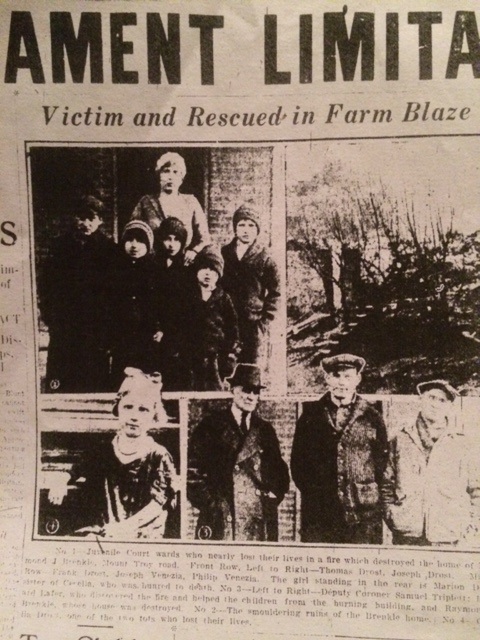
This is the first time I’ve seen my grandfather this young. And oh, what a picture it is. It was on the front page of the Pittsburgh Dispatch. It was taken the morning after the fire.

You may not be able to see it very well, but that’s Phil on the far left. Joe, Marion Drost and her brothers, are all standing in front of steps that go to the shell of the burned out house. I stare and stare at Grandpa’s face. In spite of the blur, I can see the despair in his eyes. His jaw is clenched.

Of all the material I found over the last 48 hours, this is the most amazing.

I knew the story was front-page, but a photo like that makes it so viscerally real to me. How many times have Jason and I been on the opposite side of the lens? I feel like I can see the scene going on all around the edges of this picture so clearly.

I won’t be able to link the material I found because I copied it all off microfiche and it doesn’t look like any of the other papers were part of the Google News Archive project. I’ll just have to summarize.

Pittsburgh had half a dozen major newspapers that covered the area. How they approached the story depended on their proximity and, to be honest, objectivity. Some, like the Press and the Gazette, were pretty straightforward. The Dispatch, News Chronicle and Sun, along with a few others, were a more lurid in their coverage. And one paper, I forget which one, got so much wrong in the initial report that I was glad the reporter’s name wasn’t memorialized. I’d have been mortified.

But all that helped me get a much clearer picture of what happened that night because certain facts are consistent throughout the reporting.

They include:

  • Howard Lager being on the phone with a woman who was not his wife at about midnight on the night of the fire (he was married at the time, but his wife and child were living elsewhere.)
  • Howard sounding the alarm that roused the house
  • Howard waking Phil first and the two of them fighting the fire in the kitchen together with pitchers.(This fact just wrenched my heart. He must have been terrified. The fact he escaped out the kitchen window made it all the more harrowing.)
  • Howard going back upstairs through the flames to rescue his niece and nephew (Anna Mae and Buddy). He saved them and himself by tossing the kids down to Raymond and then climbing down a porch support.
  • A central furnace had just been installed in the house. Howard recalled the vents on the floor were hot as he passed over them and there was an odor of “varnish” in the air near them.
  • Phil and Joe corroborating Howard’s statement of the night’s events when on the stand during the inquest.

There were also some very interesting revelations:

  • The Brenckles had homemade wine and were drinking it that evening. This was during the height of Prohibition. Homemade wine was allowed, but of course anyone who drank was vilified.Oopsie.
  • There was a fight on the evening before the fire between Myrtle, Howard and Cecilia over a ring. Howard had apparently given it to Cecilia (uh…). Myrtle was flipping out over it. Cecilia returned the ring that evening.
  • No one saw Cecilia after she went upstairs to bed. She never made it out of the house.
  • There was confusion among the fire companies over who covered the fire. The property is between Reserve and Ross. The call to their version of 911 went into the city first. There was a significant delay in getting help out to the house.
  • John Orlowski may have gone back into the house because he wanted to rescue his dog. I can’t even think about how sad that is right now.
  • The Coroner was really, really hard on Raymond Brenckle. He all but accused the Brenckles of letting the kids burn while they worried about their own family.
  • The county’s Juvenile Court System was on trial, too. A number of the papers made some pretty good hay out of renting kids out for farmwork. The county paid about $5 a week for their care. When the trial concluded without an indictment, there were lots of speeches and pronouncements about how the District Attorney and President Judge would keep investigating, demanding answers. Yadda. Yadda. Yadda. I’ve sat now about 60 hours in front of mircrofiche and intranet search. I don’t see a scintilla of follow-up on this case. At least, until the next tragedy.

I’m in Pittsburgh to celebrate Thanksgiving with Mary Ann, Mike and my cousins, so it’s been incredible sharing these revelations with them. And I’m feeling even more thankful that none of us ever had to live through something like this.

Shocked

FrontPagePPressCaptureI’m still shaking.

I’m shocked. I’m stunned. And I am also now completely obsessed.

One of the last searches I did before bed the other night brought up a strand of information I’d never seen before. I found it using a variation of Phil’s name.

There was a fire. Remember how I’d said the old Brenckle farmhouse burned down? Well, let me tell you, there’s a whole lot more to it than that.

Because it seems during the same year Ottavio was seeking the trust for the siblings, Phil and his brother were embroiled in a scandalous, front-page saga  as Allegheny County investigated the cause of Brenckle farm fire.

Two children, apparently other wards of Allegheny County, died in the blaze. Grandpa and Joe had to take the stand and testify about what happened that night.

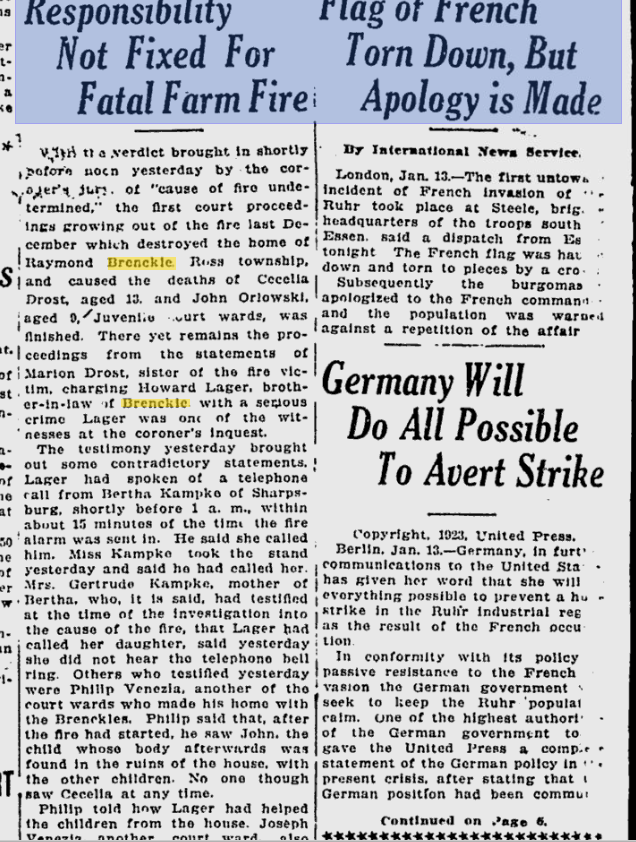
“Others who testified yesterday were Philip Venezia [hooray to the reporter who got his name spelled right], another ward of the court wards who made his home with the Brenckles. Philip said that after the fire had started, he saw John, the child whose body afterwards was found in the ruins of the house, with the other children. No one though saw Cecilia at any time.

Philip told how Lager had helped the children from the house. Joseph Venezia, another court ward, also living with the Brenckles, gave about the same testimony as his brother Philip about seeing John after the fire started. The supposition is that John went back into the burning house and could not get out. Lager is being held without bail.”

Cecilia is Cecilia Drost, 13, and John is John Orlowski, 9. Both of them were wards of Allegheny County, just as Phil and Joe were. Lager is Howard Lager, Myrtle’s brother, who apparently lived at the farm, too. From what I gather from other articles, it seems that Howard was suspected of not only starting the fire, but of starting it to cover up the fact he was sexually abusing Cecilia.

Their death was enough to raise serious questions about how the Juvenile Court was overseeing its wards (terminology at the time for foster children). So much so that the Press wrote a strongly-worded editorial condemning them and the practice of “farming out.”

The whole thing leaves me feeling sick. Sick, too, because more than 80 years later, nothing’s changed. Kids still die and get abused by the people the state says should take care of them.

I’ve been on the phone with my parents on and off all day as I uncover a new article. My dad is as shocked as I am.

“Never,” he said. “I never, ever heard about this. Neither did Mary Ann. I called her to ask. This is incredible.”

It seems, from what I found so far, no charges were leveled in the blaze. I haven’t found anything on whether Howard Lager was convicted of sexual assault or similar charges.

Even with the news articles, there are so many unanswered questions. Looks like I have a new mystery.

Cry Uncle

Over the weekend, I decided to take my new Ancestry membership out for a spin.

I’d gone back over the guardianship documents, including the two other pages I’d not really examined carefully until now and I realized I’d circled in on a new fact. I could place Phil with his family in 1910. Both of his parents were dead by 1917. By 1922, according to the trust documents, Phil and Joe been placed with the Brenckles and Mary was living at the Fresh Air Home. So, there were four missing years. Where did the three kids go?

Again, a fragment of a fragment set my direction. There were two things I remembered Grammy telling me about how Grandpa had come to live with the Brenckles.

“They lived with an uncle who was terrible to them. He was a drunk. He wanted them just for the money,” she’d said. I had always presumed that meant the money people get for taking in foster kids. But maybe it meant their father’s money.

When I’d asked if they’d ever lived in an orphanage, she said she remembered Toner Institute. I always thought it sounded ominous.

I started with the uncle. The next Census would have been in 1920, so I pulled up Ancestry and started searching there.I now had at least four different uncles to pick from. Who would it be?

“Patsy Ritonda?”

Patsy. Patsy. Duh. Patsy is short for Pasquale. How the Census-taker got Ritonda from Brescia I’ll never know. But I did note the taker’s name was German. I pictured two men with thick accents trying to understand each other — neither one caring much how questions were answered.

I found the siblings simply enough, though their names were again misspelled. If it’s one thing all this research has taught me, it’s that misspellings are just as important as correct ones — if the other material adds up. There’s a margin of error every time you look for someone. A birthday that’s a day or two off. A name spelled close, but not exact. I’ve learned that our vital information really wasn’t standardized until after World War II, when a lot of returning GIs leaned on their war records as official documents.

So, anyway, there they were, living on 41 Fleming Park Avenue in a place called Pittock, Stowe Township. When I found it on the map of Allegheny County, tucked between McKees Rocks and Kennedy Township, I realized that I had been there at least two dozen times. Grammy liked to go to the tiny Catholic Church in Pittock — instead of her usual St. Malachy’s — every once in a while.

I called my dad.

“Did your dad ever say anything about living in Pittock?”

“Yeah.” I could hear his voice catching the thread of memory. “He did. I remember one or two times, when we were driving into the Rocks, we’d go past the bridge and he’d say he used to live over there. I didn’t put it together until now. Why? You said he lived in East Liberty.”

“Because I think I found ‘the uncle.’ You know, the one who mistreated them? His name is here in the census as Patsy Ritonda.”

“Patsy Ritonda? Never heard of him.”

“It’s Pasquale, Dad. Your grandmother’s brother. The guy who left them the 1500 bucks. I think he’s the guy. They were living with him.”

We were both quiet. The thing is, more than “simple” hardship came out of the siblings’ time with their uncle. Grammy had told us it was during that time that Grandpa had contracted the strep throat that ended up weakening his heart. The heart that would eventually kill him long before his time, and just a year or so removed from the invention of life-saving valve replacement surgery that would have given him so many more years.

Joe, who was known his whole adult life by the extremely un-PC nickname of Crip (as in cripple, because he walked with a limp. oh boy), had fallen off a horse and broken his ankle. It had gone untreated. And Mary had contracted the tuberculosis that twisted her bones and stunted her growth.Three years in a body cast.

“That guy sucks,” I finally said.

As we hung up, something at the top of the third paper caught my eye. I shuffled back and forth between the computer screen and the paper.

The guardianship papers had Pasquale’s date of death as November 29, 1920 at Woodville State Hospital. A quick cross-reference (thanks again, Google!) revealed that Woodville was a home for the insane (gulp). But they also took a fair amount of tuberculosis patients. That was more likely, and it explained Mary’s exposure. If she had somehow managed to fight it off when her father was sick, being exposed by Pasquale was surely too much.

The census had been taken in January of that year. By the time that census taker reached their door, the siblings were living on borrowed time.  I searched for Pasquale again, using a variety of misspellings, and pulled up a World War I draft card, filled out June 5, 1917 — five months after Saverina died.

It was requesting an exemption to the draft because he was “sole support of three nieces (sic).”

The address was the same. The job was the same. And so was the place of birth.

I had my man.

But beyond that, I had a real timeline now, and an apparent chain of custody. From both parents to their mother to Pasquale to the county.

But my mind flipped back to good old Mike Natale. He was their stepfather, for pete’s sake. Why didn’t he keep them and their half-sibling together?

The Carnegie Library is Awesome

That’s the title of my post because, well, it is.

800px-Carnegie_Library_of_Pittsburgh_-_IMG_1162I just got back from an all-day research binge in the library’s Pennsylvania Room.

I have a stack of census forms, a sheaf of photos and a whole lot of answers.

The biggest asset they have is access to ancestry.com, which I’ve been dying to join for ages.

The first thing I did was dig through their Census records. Thank goodness I’d found that will because I knew to search and verify information by everyone’s Italian name, rather than the Americanized version. Jackpot in the 1910 Census!

I now know that when my grandpa was 3, he lived with his mother, father, sister, brother and uncle Pasquale (who was listed as a boarder. Interesting.) on St. Andrews Street in East Liberty. I looked it up on Google Maps, but it doesn’t look like it exists anymore. But using Our Lady Help of Christians as a beacon, I was able to trace the boarders of his early life. The church is within walking distance of their house. Enterprise Street, where Saverina eventually moved, is only a few blocks over in the opposite direction.

This record has Francesco doing odd jobs, so I wonder if he’d been laid off. Maybe he was a Francesco was working for himself, kind of a freelance tailor?

I’d pictured them living in a walk-up apartment. Not real big. Maybe even something like this.  But the address seems to indicate a house-house, rather than an apartment building where they might share a few rooms. All of their neighbors have different house numbers. Was it possible they lived in their own home, albeit a rented one? Francesco and Saverina had been married for 6 years. She’d had three children and three live births.

It made me smile to see the five of them and their uncle together. It’s the first real mental image I’d been able to conjure of my grandfather belonging to his birth family. And in this record, they really were.

Here’s a quick run-down of my other discoveries:

  • Cesare and Pasquale Brescia, Saverina’s brothers, were part of a group of people known as “birds of passage.” They sailed back and forth between Italy without becoming citizens. I found records indicating that Cesare, the brother who’d come with his newlywed sister to America, would return to Italy in 1907 and 1913. He’d tried to come in 1912, but had come down with the dreaded eye disease trachoma and had been turned back. Pasquale, who’d also come in 1904, left in 1913 and returned in 1914. How and when Ottavio, the uncle from the Guardianship  papers, came to the US remains a mystery
  •  Loads and loads of pictures from the ‘Italians’ picture collection. I now have a pretty good visual idea of what it was like to walk through the streets of East Liberty, how kids and adults dressed, what types of buildings and landmarks made up Phil’s life.
  • Information about the Sewickley Fresh Air Home, where my great-aunt Mary lived much of her life. I’ll write a separate post about her later.
  • Sanborn Fire Maps. Oh my god, I’m in love with them. Big digital maps that are overlaid. You can find all the old streets, see old buildings that were torn down, who owned them. And the best part about them is you can access them outside the library.

My first discovery

Guardianship1 My mind is reeling. When the man in the Register of Wills Office returned, this is what he brought. It’s a guardianship document. And it cracked open my world.

There my great-grandparents names. Francesco Venezia and Severina Brescia. Frank and Sarah were obvious Americanizations. Severina had at least three brothers. Ottavio, Cesare and Pasquale. I had contemplated her life a thousand times, but for some crazy reason, I never thought of her as part of a real family. My family. But here they were. A family of four (more?). Pasquale was dead and he’d left Ottavio, my grandfather (Phil), great-uncle (Joe) and great-uncle (Mary) $1,500 to split.

I did a quick calculation in an online calculator. That’s about $4,000 in today’s money. Not a bad chunk of change for a bunch of kids. Which explains why they were being set up with trusts.

My pal in the records office is as excited as I am. He tells me to fill out another form and he’ll see if it was paid out.

“Actually,” he says. “Check the Vs. Maybe your great-grandfather had a will, too.”

Adrenaline pumping, I flip pages. Bingo.

“He had a will?” I can feel my mouth hanging open. “My immigrant great-grandfather had a will?”

“Seems so,” he says. “Fill out another card. I’ll be back in a few minutes.”

Few minutes. Ha! It takes an eternity before he brings a few photocopies of Pasquale’s bequest to his family and a small, rectangular envelope. Francesco’s name is written in that perfect cursive I’d always wished I could write.

“I, Francesco Venezia, of the city of Pittsburgh and the State of Pennsylvania …” My eyes skitter over the words. “To my beloved wife .. THREE bank accounts… To my beloved daughter and beloved sons, I leave the remainder in trust…”

My eyes cloud over.  He left them money. He died and he thought ahead enough to save for the day he knew he couldn’t be there. He left his wife money and enough for his children later.

“How much is 13,000 lira,” I ask to no one in particular.

My records sherpa smiles and shakes his head.

And dangitall. My phone rings. Time to go to work.

I stay long enough to get photo copies and I call my parents, breathless, on the walk back over to the courthouse.

When I get back to the newsroom I can’t resist running a quick calculation. In 1915, the year the will was drafted, 13,000 lira was about $2,000. Enough to buy a small home. I carry those pages with me all day long and a single thought has formed in my head.

“He was loved. No matter what happened after, Grandpa, Joe, Mary. They were loved.”

Blog at WordPress.com.

Up ↑